Vibration sensors: wireless and wired
From wireless tri-axial sensors to wired sensors with an integrated cable. All models measure vibration and temperature and connect to the SuperCare platform.
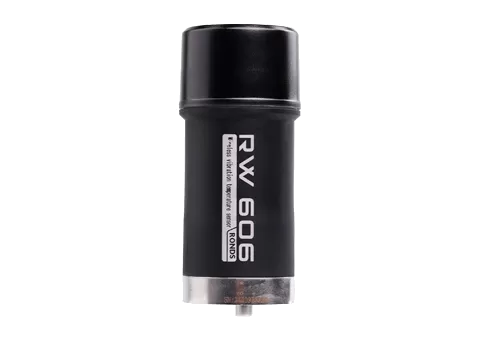
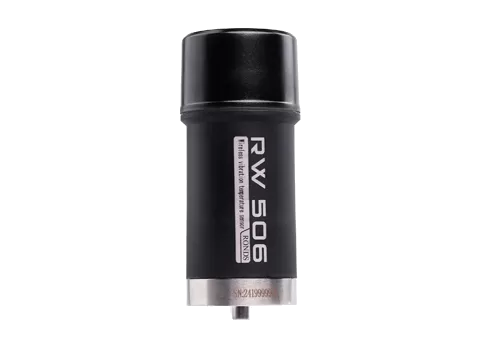
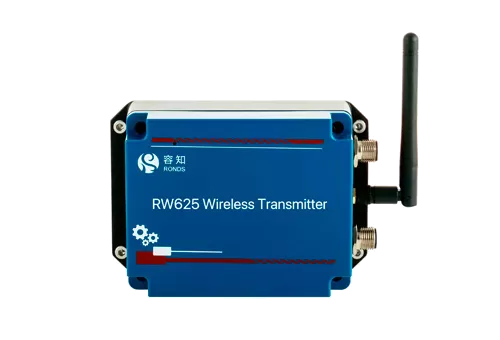
Wireless sensors
Installed without cabling, also suitable for hard-to-reach measurement points. Several models are available with ATEX/IECEx certification, from Zone 0 up to and including Zone 2.
Wired sensors
For permanent measurement points with a fixed connection.
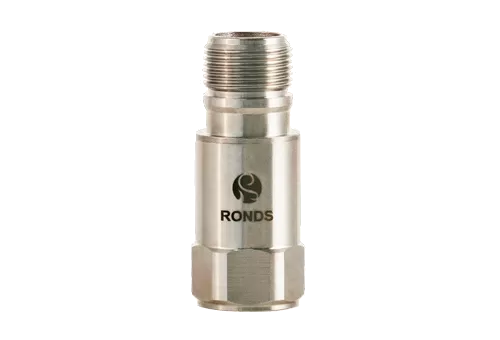
RH103(T)
Wired vibration sensor, optionally with temperature measurement (T)
View product arrow_forward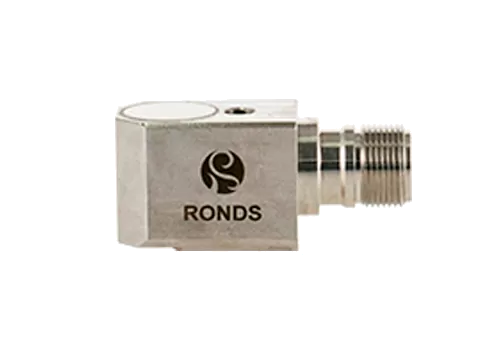
RH104(T)
Wired vibration sensor, optionally with temperature measurement (T)
View product arrow_forward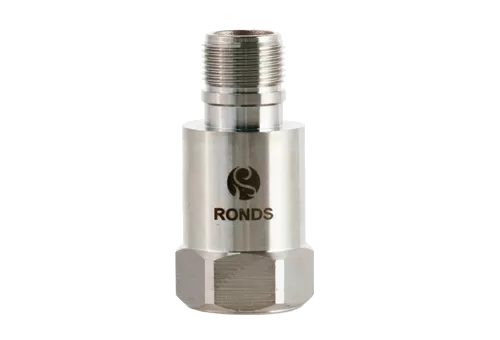
RH113(T)
Wired vibration sensor, optionally with temperature measurement (T)
View product arrow_forward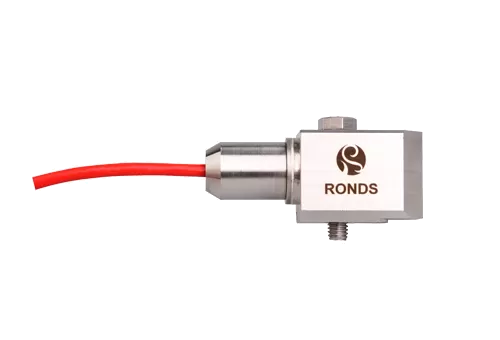
RH104C(T)
Wired vibration sensor with integrated cable, optionally with temperature measurement (T)
View product arrow_forwardSpecifications and datasheets per model are available on request.
Frequently asked questions
Wireless sensors (RW606(M), RW506(M), RW625) are installed without cabling and are quick to set up. Wired sensors (RH103(T), RH104(T), RH113(T), RH104C(T)) have a fixed connection, ideal for permanent measurement points with a continuous signal stream.
A uni-axial sensor measures vibration in one direction, a tri-axial sensor in three directions at once. Tri-axial gives a more complete picture of machine condition, especially for more complex fault patterns.
An accelerometer measures acceleration: the basis of a vibration measurement. "Vibration sensor" is the broader term for sensors that measure vibration, often including derived values such as velocity and displacement. In practice, both terms are used interchangeably for the same type of sensor.
Yes. The sensors have IP68 protection (dust- and waterproof). The wireless models operate at ambient temperatures from -40 °C to +70 °C, the wired models even from -55 °C to +125 °C.
Several models are available with ATEX/IECEx certification. The wireless sensors RW506(M) and RW606(M) are certified up to and including the most demanding safety class, ATEX Zone 0.